Posts
[As this is a political discussion about the intricacies of the institutional set-up of German Universities and how to improve the so-called Mittelbau, I have not translated the text. Anyone interested in these details is probably able to read German anyway.]
Der unter_bau hat mich eingeladen, über die politische Initiative zur Umwandlung des Mittelbaus in (tenure-track Junior-)Professuren am Institut für Politikwissenschaft der Universität Bremen zu diskutieren. Die Argumente für diesen Weg in Richtung eines Department-Modells - statt der Verdauerung von Mittelbau-Stellen - haben Angelika Schenk, Arndt Wonka und ich in Jenseits der Infantilisierung skizziert.
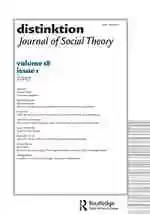
All conferences yearn to become published - and ours is no different: From the conference “Überwachen und Strafen heute” that I organized together with Jörg Bernardy at the University of Bremen in 2015, a small selection of articles has now been published in the journal Foucault Studies.

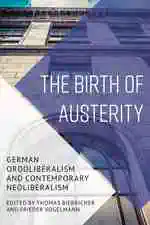
Together with Thomas Biebricher I have put together a rather special edited volume: The Birth of Austerity. German Ordoliberalism and Contemporary Neoliberalism provides key texts from core thinkers of ordoliberalism, some of them translated into English for the first time, and features four original analyses that show why ordoliberalism is back on the agenda for critics and defenders alike.
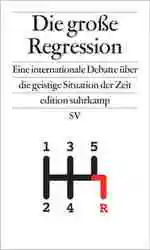
Suhrkamp publishes today a collection of essays called “Die große Regression. Eine internationale Debatte zur geistigen Situation der Zeit” which will be published in several countries more or less simulteaneously. My review of some of the political diagnoses presented in the volume is now online: https://www.soziopolis.de/stichworte-zur-politischen-situation-der-zeit.html.
Just before the end of this year, I wrote a small essay - an interjection, really - on the concept “post-truth” and its German counterpart “postfaktisch”. Both have been voted as the “word of the year 2016”, and both favour a diagnosis of the present that is as unhistorica as it is politically misleading. It has been published (in German only) on Soziopolis: https://www.soziopolis.de/postfaktisch.html.